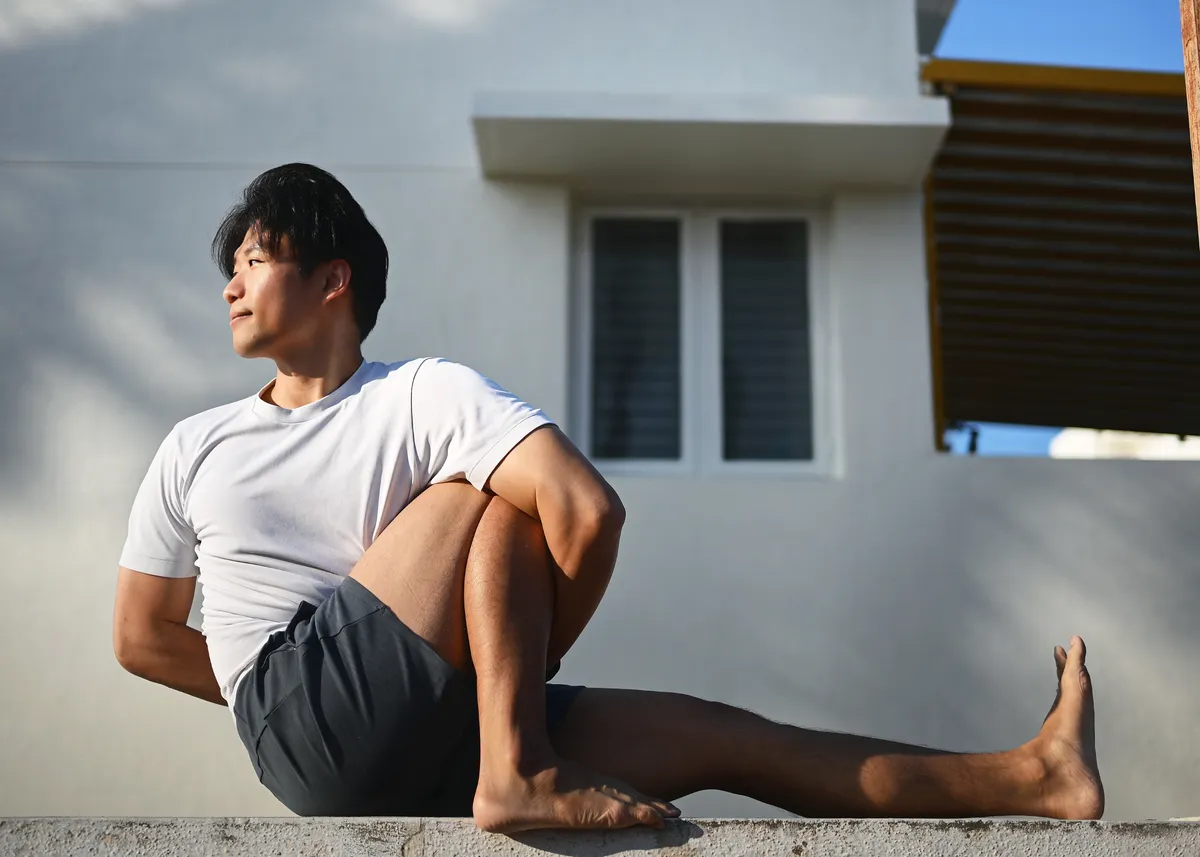
Lotus Pose
Explore all yoga articles and sharing under the topic 'Lotus Pose'
Lotus Pose (Padmasana) is one of yoga's most symbolic postures and the preferred position for traditional seated meditation. In Ashtanga yoga's closing sequence, Lotus Pose and its variations hold an important place. However, Lotus Pose places high demands on the hip and knee joints, requiring gradual hip opening that should never be rushed.
Articles here share safe methods for practising Lotus Pose — how to distinguish between hip opening and knee pressure, suitable preparatory postures, and how to patiently allow the body to prepare for full Lotus Pose. Remember, the meaning of Lotus Pose isn't about placing your legs in a specific position but about finding a stable, comfortable seated position where both body and mind can rest peacefully.
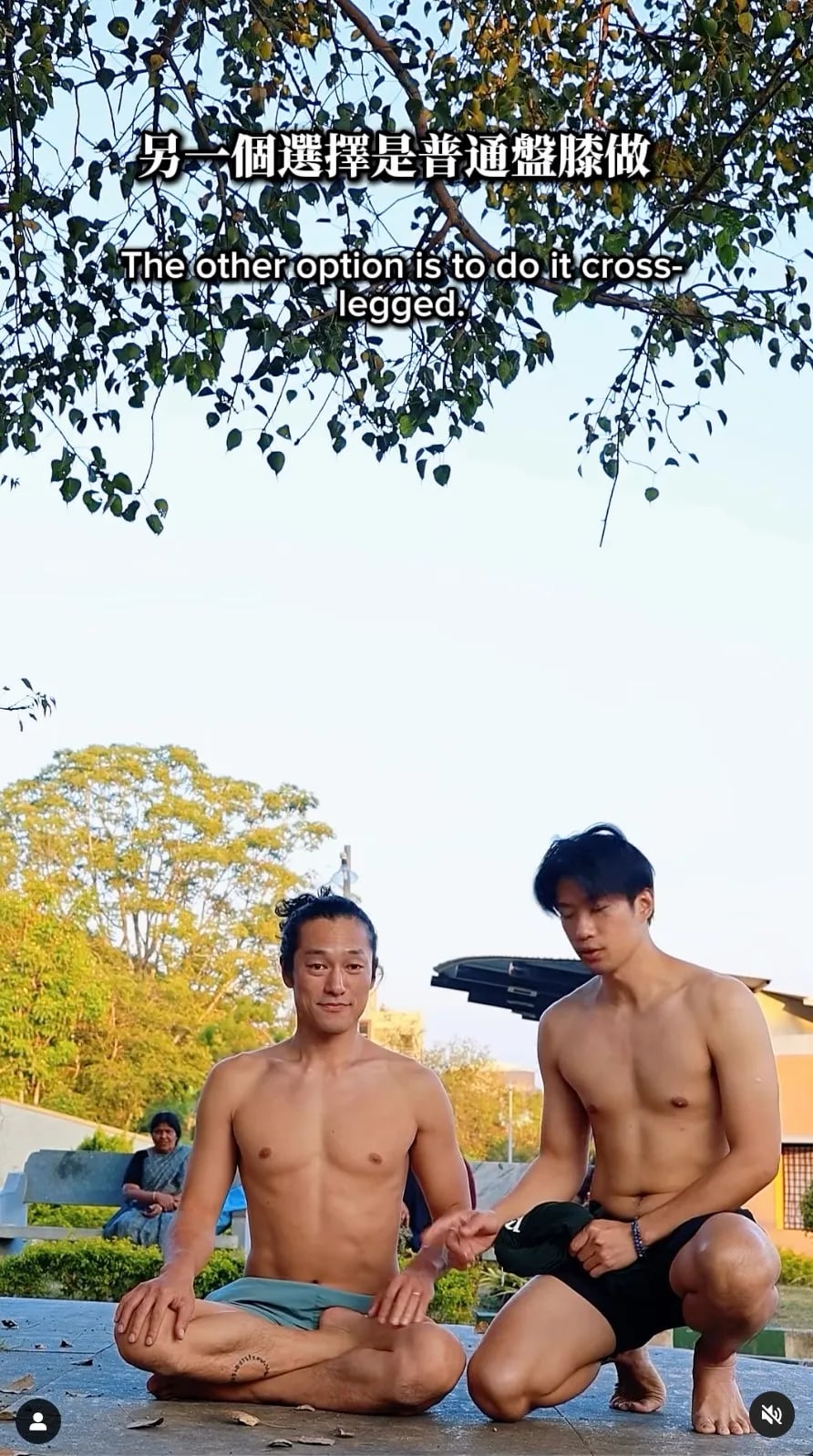
Beginner's Guide to Baddha Padmasana and Yoga Mudra
Step-by-step Baddha Padmasana and Yoga Mudra for beginners. From Half Lotus to towel-assisted Lotus Pose, build stability at your own pace.
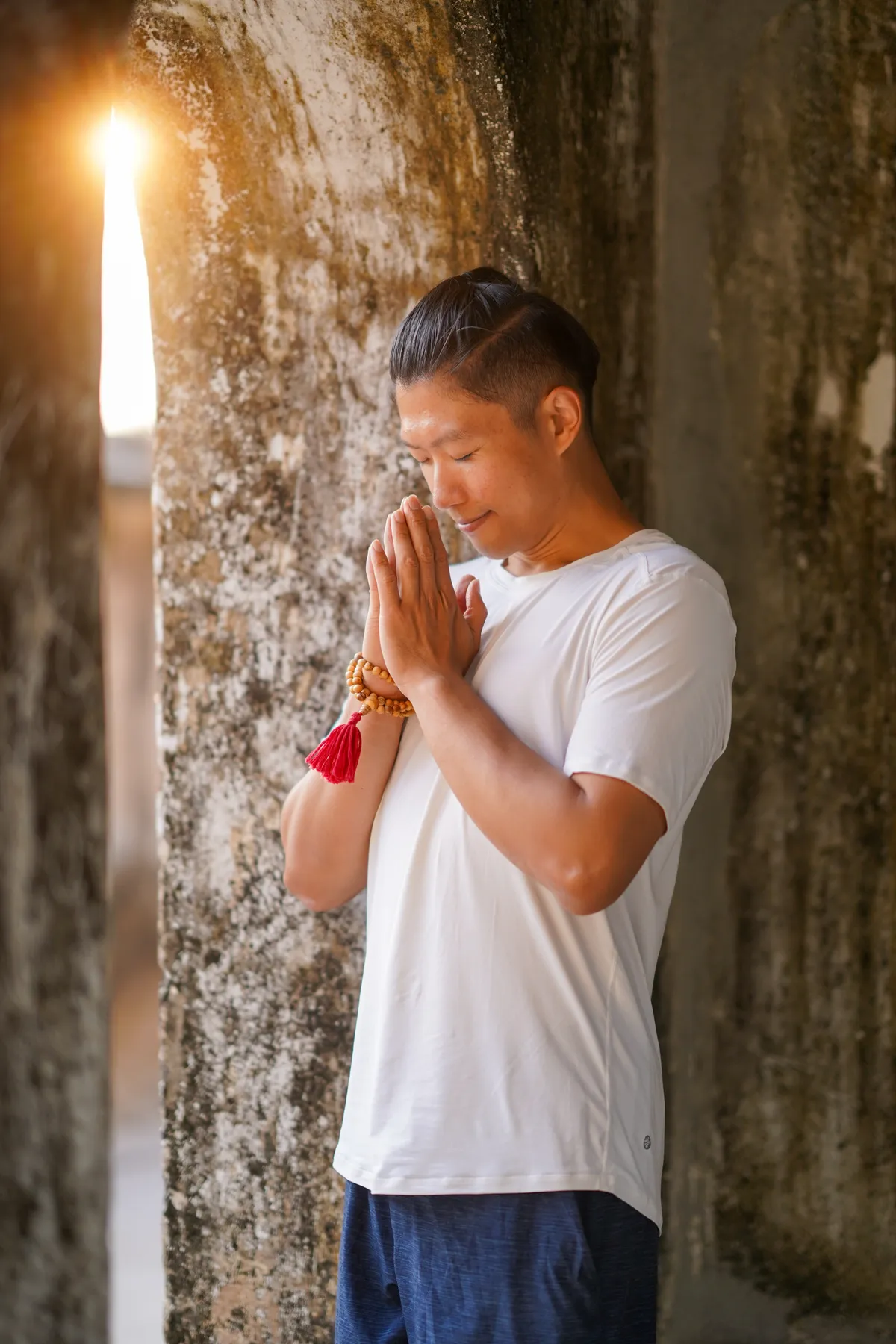 Yoga Tung

From Baddha Padmasana to Yoga Mudra: Key Tips
Starting from Baddha Padmasana, we go through how to move into Yoga Mudra plus the key tips and things to watch out for in this transition.
Yoga Tung
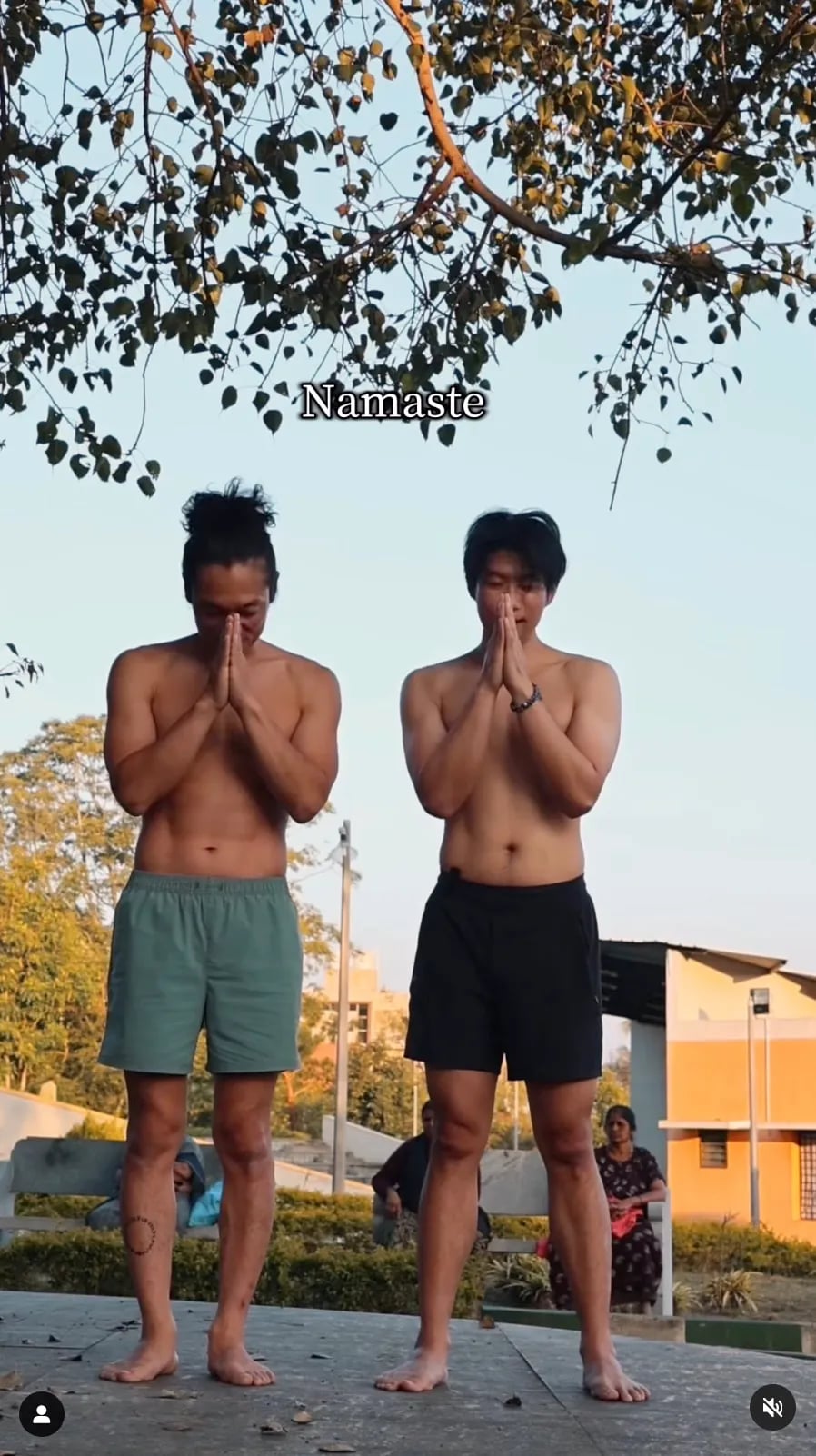
How to Practice Baddha Padmasana with Teacher Moon
Korean Ashtanga teacher Moon demos Baddha Padmasana (Bound Lotus Pose) with me! This pose boosts flexibility, circulation, and body-mind balance. With practice, anyone can do it.
Yoga Tung